


Building a strong balance sheet
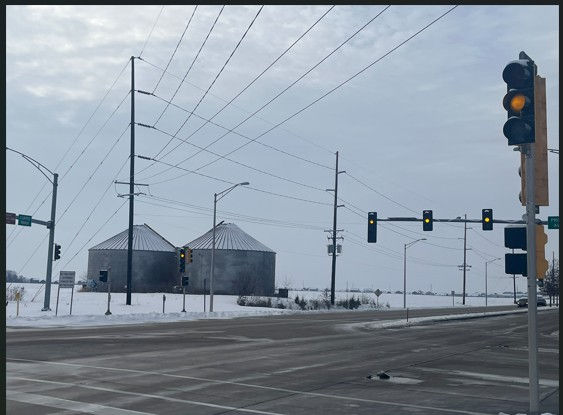
The challenge for farmers, especially younger ones, is striking a balance between financial security and taking calculated risks.
Having a strong cash position can lead to more loan opportunities; yet, taking risks to grow the business requires spending cash and taking on debt, according to information released by University of Illinois Extension.
However, having cash reserves allows growth, which can lead to higher profits for the farm. It is wise to continually evaluate the strength of the farm balance sheet before making purchasing decisions. Making purchases should be a good financial decision, not just a strategy to reduce taxes and hope for higher profits.
As machinery becomes more expensive, it takes more acres to generate the income to pay off the machinery debt. Keep in mind that lenders like a strong cash position. Your lender can be an invaluable advisor in the decision-making process. During especially challenging economic conditions, a strong relationship with your lender is imperative. Carefully consider the positives and negatives of borrowing from equipment and crop production companies.
Key Considerations
Keep your lender fully informed about your purchase/debt plans, even if the purchase loan involves another lender.
Use realistic asset values.
Falsifying information on the balance sheet is a criminal offense. Farmers have been convicted and imprisoned for bank fraud.
Your constructed balance sheets should be the same for each lender, and any changes made need to be documented. Due to inventory fluctuations, balance sheets can appear different from one day to the next.
Correlate farm assets with loans.
If a professional puts together your balance sheet, make sure you fully understand what each entry signifies and what financial ratios and measures represent. The more you are involved, the more you will understand. Your lender will appreciate your knowledge and be more comfortable working with you.
Be truthful. False statements are more problematic than painful truths.
Kevin Brooks is a University of Illinois Extension Educator in Havana, Illinois, and can be contacted at kwbrooks@illinois.edu or at https://extension.illinois.edu/blogs/farm-coach.


Comments